A children’s story that explores empathy and the complex emotions behind bullying told through the eyes of a former physician & grandmother.
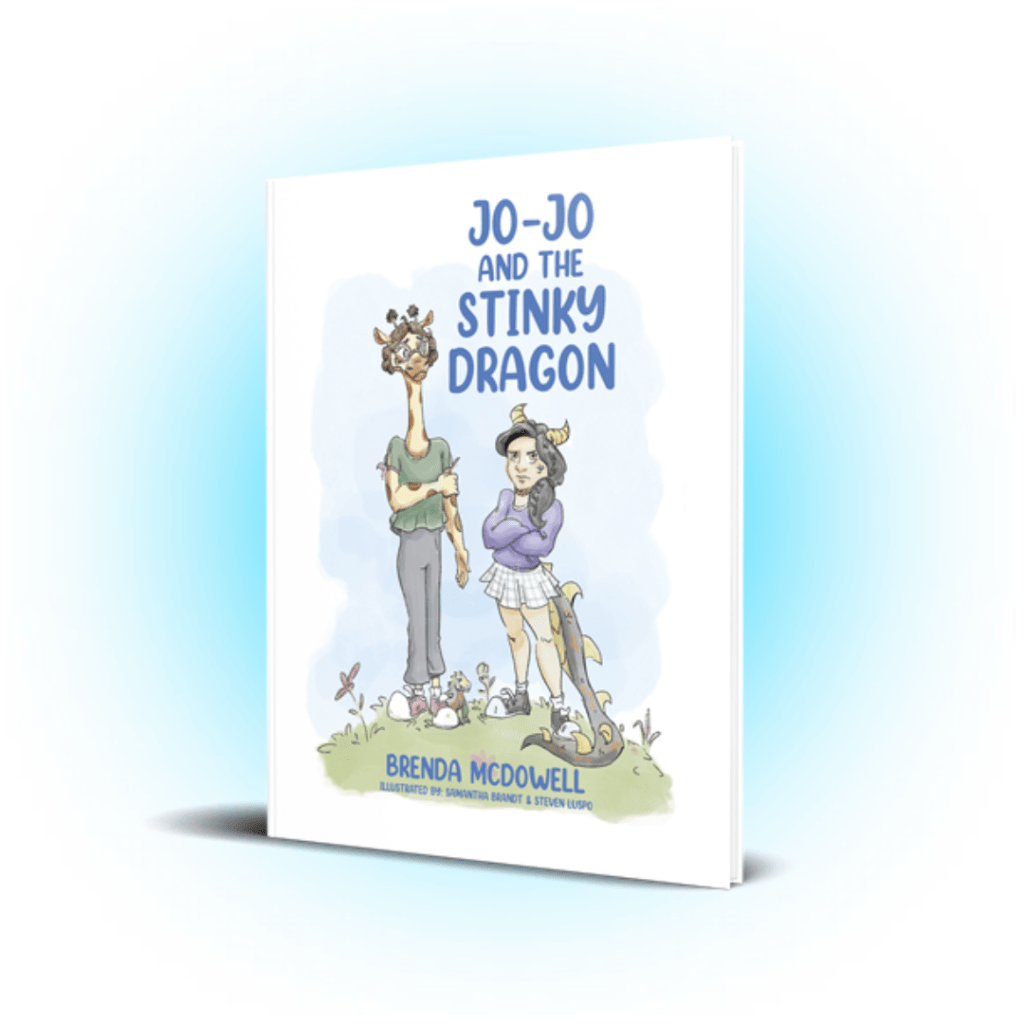
Brenda McDowell, a retired family physician from Toronto, brings warmth, empathy, and deep insight to her debut children’s book Jo-Jo and the Stinky Dragon. Drawing on over three decades of experience caring for children and youth in both family medicine and mental health, Brenda explores the emotional challenges kids face at school—especially around bullying, self-esteem, and social belonging. Her story takes a gentle, compassionate approach to the topic of “mean kids,” reminding readers that every child, even those who lash out, is navigating their own inner struggles.
In this interview, Brenda discusses the inspiration behind her book, the lessons she learned from working with troubled youth, and how her experiences as both a mother and grandmother helped shape her perspective on childhood resilience and kindness.
What inspired you to write this story, and why did you choose to focus on the theme of mean kids in schools?
The greatest inspiration for this story came from my medical work with troubled youth (6-15 years) in downtown Toronto. These children were admitted for a variety of reasons including, but not limited to, conduct disorder, depression, suicidal ideation/attempts, early bipolar signs, primary psychosis, severe anxiety. The youth came from a variety of family backgrounds. Obviously, among these children, there was also a mix of bullies and ‘bullied’. My heart went out to both– they were equally shackled with the bully burden from different perspectives. At the end of the day, they are just kids.
I did not experience the wrath of mean kids, nor did our three sons. I am so grateful for this but take no credit. So far, the grandchildren are working out the ‘playground’ social milieu successfully and I give the credit to their parents and the teachers.
How does your background as a family physician and your work with children in mental health shape the perspective of this book?
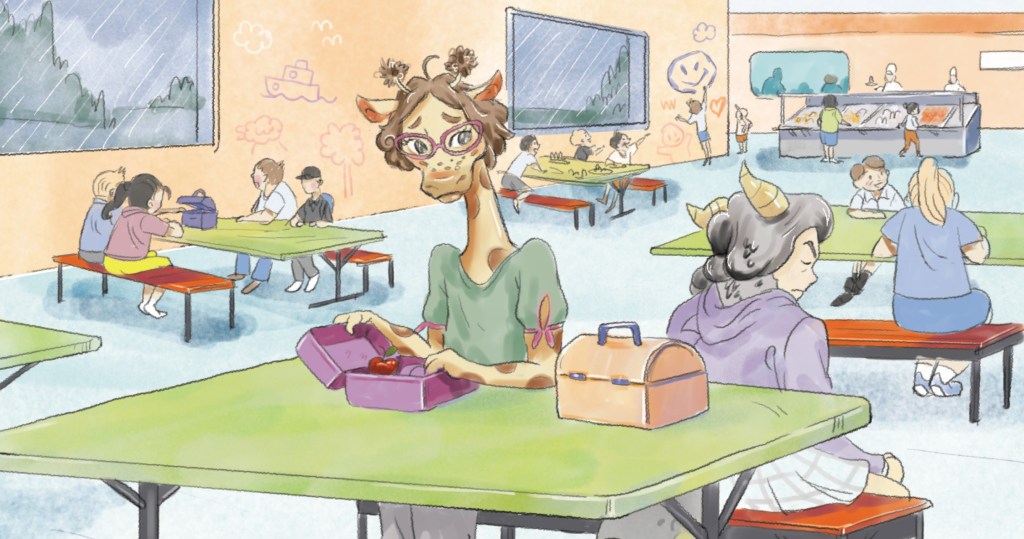
I provided primary medical care to the troubled youth. Because they were in a facility, they were all frightened being away from their own environments and friend groups. Each responded in a personal way but, not surprising, there were those who responded aggressively and those who withdrew. In caring for these kids I endeavored to present compassionate listening about their (perceived) health and provided respectful, gentle examination when required. Over 31 years, overwhelmingly, the children responded to this simple approach. That is when I realized that despite their compensatory reactions, both the bullies and the bullied could open up and, for lack of a better word, relax. Please know that this is not the case for all troubled youth but it became a starting point for me: they are just kids.
Why do you think playground dynamics and peer relationships can be just as impactful as academic learning for children?
Both are so very important for a child’s sense of worth and contribution to family and society. But, I think we all know that even those who have very little formal education (does not mean they are not ‘academic’), can have rich and meaningful lives in their communities and beyond. Is this because they feel socially valuable, valued and content? I don’t have that complex answer and humbly rely on my psychology and sociology colleagues!
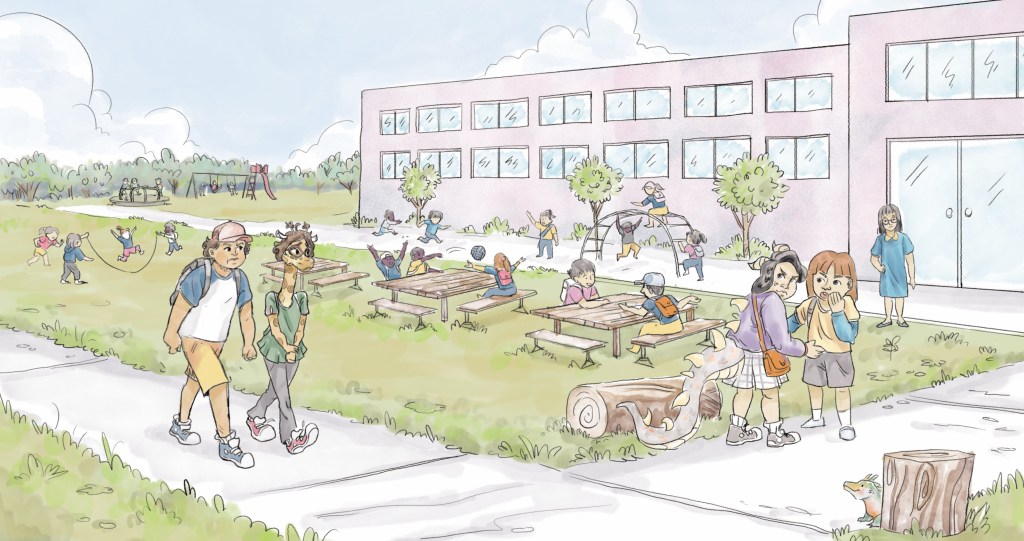
But I do believe this formative socialization begins very early in life and the playground is one of those ‘training’ areas.
Many parents worry about bullying but feel powerless when they aren’t present at school. What do you hope parents take away from your book?
I hope that parents keep an open communication with their kids. For sure, children often come home from school and are busy with a variety of activities and not interested in or willing to have a parent-child chat. Sometimes over a family dinner or travel to an extracurricular activity the opportunity to ‘check in’ may arise. I think the most important flags are a child who is overly withdrawn or overly angry/aggressive. Siblings and teachers may help parents tease this out. Bottom line, these behaviors are not something to be ignored and may often be rooted in their social environment. The school playground is just one of those. So, I do hope this is one take-away from the story.
(I feel somewhat inadequate in answering this question as a Family Physician and, once again, bow to my learned colleagues.)
How did raising your own children and now being a grandmother influence your approach to writing for young readers?
This makes me smile. Our 3 lads were so very busy in school and with extracurricular activities that it seemed we were always in our cars transporting them and friends to and from venues. So you cause me to reflect. Our home was the drop-in place for the friends of our kids after school and on weekends– we chose this over being the ‘party place’. We got to know their friends and, in listening to their idle (socializing) chatter, learned about issues important to them. We also tried to be present ‘in the moment’ when they did choose to chat. Trust me, I am no expert on this; but it is what we did.
As for the grands, I am the annoying Nana who requires a please or thank you for requests. I see it as a life skill and so far (although it seems most annoying to my sons as parents) it is working with the grands. BTW, nothing bad comes of declining to say please or thank you (except perhaps a delayed fulfilling of the request) but…. much good (and sometimes extra) comes from the simple respect of those!
But apologies, because I have digressed from your essential question! From the time our sons were very young and also with the grands I have imagined and spun bedtime stories. This is because a child’s imagination is almost limitless. And one time, when presented with another chance to give a bedtime story to our 2 eldest granddaughters, I thought I might touch on mean kids… As it evolved, the family suggested I share (publish) it.
What do you think makes your story a “softer look” at mean kids compared to other books on bullying?
Bullying is an example of “relational aggression” as opposed to physical aggression. It includes actions such as taunting, whispering, side-glancing, mocking, exclusion and much more. We have all heard of the catastrophic effects of cyber-bullying including victim suicide.
In a way it is an example of “gas-lighting” by sowing the seeds of self-doubt in the target child.
And I do not have an answer as to all the circumstances that create a ‘mean kid’ nor do I have the answer to raising resilience in the bullied and tolerance and compassion in the mean kids. However I do know that the mean kids need much help, perhaps as much as their targets, in evolving better ways of socially interacting because… they are just kids.
And that is why (although the story does not ‘fix’ Fiona) I hope this children’s book presents a softer look at mean kids.
 Kiddable - children’s content news and reviews